




















Silver-coated elaichi (cardamom) pearls have long been associated with freshness, aroma and traditional Indian hospitality. Their shiny appearance often adds to their premium appeal, making them a popular after-meal indulgence and a popular gifting choice. However, one question that many consumers ask is, “Is the silver coating vegetarian?”
The question arises because of the history of edible silver (chandi ka varq) in India, which involved animal membranes. Today, however, regulations laid down by the Food Safety and Standards Authority of India (FSSAI) have transformed the industry and established clear standards for food-grade silver. Silver coating on elaichi pearls is vegetarian today.
For consumers looking for a trusted silver varq elaichi brand in India, understanding these regulations can help make informed choices.
Edible silver, also known as chandi ka varq, is an extremely thin layer of pure silver used to decorate sweets, dry fruits, and mouth fresheners. It has been part of Indian culinary traditions for centuries and is valued primarily for its visual appeal.
Pure silver is a mineral and therefore vegetarian by nature. The concern stemmed from the manufacturing process of the varq.
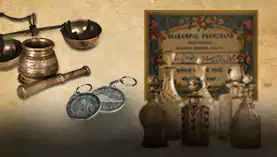
Traditionally, artisans flattened silver by hammering it between animal membranes, usually from ox-gut or cowhide. These materials prevented the delicate silver sheets from sticking during production. Because animal tissues were involved, many strict vegetarians and vegans considered such varq unsuitable.
As awareness grew, consumers increasingly sought vegetarian alternatives and greater transparency from manufacturers. Today, modern technology has largely replaced traditional practices with machine-based processes.
This makes food-grade silver suitable for vegetarian consumption when produced in accordance with regulatory guidelines. This shift has given consumers greater confidence when choosing products from a reputable silver varq elaichi brand in India.
To address ethical and hygiene concerns, the Food Safety and Standards Authority of India (FSSAI) introduced specific rules governing edible silver.
One of the most significant steps was banning the use of any animal-derived materials in the manufacture of edible silver leaf. Under current regulations, edible silver must:
These regulations have helped modernise the industry and offer consumers products that align with vegetarian values.
Elaichi pearls combine aromatic cardamom with premium ingredients and are often finished with edible silver leaves for a luxurious appearance.
Among premium after-mint offerings, Rajnigandha Pearls occupy a distinctive place. Introduced in 2013, the product combines carefully selected cardamom seeds with saffron and pure silver leaves to create a rich and refreshing after-meal experience.
The carefully selected cardamom provides its characteristic aroma, while saffron contributes a subtle exotic note. The silver coating adds elegance and visual appeal, making each pearl resemble a miniature work of art.
When discussing Rajnigandha Pearls ingredients, the key components include:
Together, these ingredients create a flavour profile that balances freshness and aroma.
The brand's philosophy is expressed through the message "Achchai ki ek alag chamak hoti hai" (Goodness has a different shine). This message highlights the idea that inner goodness reflects outwardly, just as the goodness of cardamom shines beneath the silver coating.
Although FSSAI regulations have brought major improvements, consumers should still make informed purchasing decisions.
Many consumers appreciate the premium look of silver-coated cardamom pearls, but their appeal extends beyond aesthetics. Some commonly recognised silver-coated elaichi benefits include:
While silver itself is primarily decorative, the combination of aromatic cardamom and saffron enhances the overall sensory experience.
Modern consumers increasingly want to know not just what they eat but how it is produced. The move from traditional manufacturing methods to machine-made edible silver reflects changing expectations around:
FSSAI's intervention has played a significant role in addressing long-standing concerns and improving consumer confidence. Today, when purchasing products from a trusted silver varq elaichi brand in India, buyers have better access to information and greater assurance regarding manufacturing standards.
The silver coating on elaichi pearls produced in accordance with FSSAI regulations is 100% vegetarian. Modern machine-made edible silver is free of animal-derived materials and must meet strict standards for purity and hygiene. Consumers can further protect themselves by choosing reputed brands, checking FSSAI license details, and looking for vegetarian markings on the packaging.
Products featuring carefully selected cardamom, saffron, and edible silver continue to offer a premium after-meal experience. Understanding how edible silver is made allows consumers to enjoy these products with greater confidence and peace of mind.
Yes, edible silver varq can be vegetarian. FSSAI regulations require food-grade silver leaf to be machine-made and free from animal-derived materials. Consumers should look for the FSSAI licence number, the green symbol and details provided by reputable manufacturers. Brand-specific declarations should always be checked before purchase.
Edible silver varq is an extremely thin sheet of food-grade silver used on sweets and mouth fresheners, including silver-coated elaichi pearls. Under FSSAI guidelines, it must be machine-made and produced without animal-derived materials.
Food-grade silver approved under FSSAI standards is permitted for use in foods in India. It is intended to be consumed in small quantities and must comply with purity and manufacturing regulations laid down by the authority.
Yes, Rajnigandha Pearls are 100% vegetarian and fully FSSAI-compliant. It prominently features the green vegetarian dot on its packaging, confirming that all ingredients, including the premium silver coating (varq), are free from animal-derived sources. As a leading brand manufactured by the DS Group, Rajnigandha Pearls operates under valid FSSAI licenses. This ensures the edible silver used meets India's strict purity regulations, requiring machine-made manufacturing completely free of animal membranes.
Consumers should check the pack for an FSSAI licence number, the green vegetarian symbol, and the manufacturer's details. Choosing machine-made, FSSAI-compliant products from reputed brands helps ensure that the edible silver meets vegetarian requirements.